

The art of living together
The interconnected world of childhood and family life
Well-being and preparation throughout pregnancy

Pregnancy is a time of intense transformation, both physically and emotionally. It is essential to listen to your body and emotions, to cultivate moments of relaxation and connection with yourself, but also with your future baby. Developing a suitable daily routine and incorporating gentle practices such as meditation, reading, or creative activities promotes mental and emotional balance.

1
Regular medical checkups

2
Balanced diet

3
Appropriate physical activity

4
Childbirth preparation
Promoting children’s health and development
Ensuring children’s well-being requires a holistic approach that combines physical care, emotional balance, and intellectual stimulation. Nutritional habits, physical activity, and sleep play essential roles, but cultivating a secure and nurturing environment where children feel heard and supported is equally important. Encouraging emotional expression, developing self-confidence, and fostering social interaction strengthens resilience and independence.
Creative play, games, and exploratory activities stimulate curiosity and imagination while supporting cognitive and motor skills. At the same time, regular medical checkups and a focus on preventative care ensure harmonious growth and lasting health. Together, these elements create an environment conducive to a child’s full development, both physically and psychologically, and lay the foundation for a balanced and peaceful future.
Stimulating curiosity and skills from an early age
Supporting children’s cognitive and social growth
Children’s development and learning depend on a balance between stimulation, guidance, and the freedom to explore. Providing a rich environment with varied experiences, encouraging play, reading, and artistic or scientific activities, fosters curiosity and creativity. It is also essential to recognize each child’s individual pace and needs, adapting teaching methods and encouraging gradual autonomy.
Social interactions, both with peers and adults, strengthen emotional and communication skills. By combining support, careful observation, and encouragement, parents and educators lay the foundations for lasting learning and harmonious development, preparing children to confidently face future challenges.

Building a balanced and organized family life
Maintaining family harmony requires cultivating an atmosphere of respect, listening, and mutual support on a daily basis. It is important to create simple yet meaningful rituals, such as informal sharing moments, that strengthen bonds without adding pressure. Encouraging collaboration and collective decision-making allows each member to feel valued and involved. Furthermore, incorporating moments of flexibility and relaxation into the family schedule helps prevent burnout and fosters a positive atmosphere.
Establishing clear routines
Daily routines for meals, bedtime, homework, and activities allow children to feel secure and parents to better manage time and responsibilities.

Organized and functional spaces
Creating dedicated areas for homework, play, meals, and storage contributes to a harmonious environment, facilitates daily life, and encourages children’s independence.

Quality time with family
Regularly planning joint activities, such as outings, games or creative projects, strengthens emotional bonds and creates shared positive memories, essential for family cohesion.
Creating a safe and enriching environment for children
A thoughtful home environment can greatly influence children’s overall development. Providing quiet areas for concentration and rest, while also offering flexible spaces for play and creativity, helps balance stimulation and serenity. Incorporating a variety of materials, textures, and colors can awaken the senses and encourage self-expression. Furthermore, encouraging children’s participation in organizing or tidying certain spaces instills a sense of responsibility and strengthens their sense of belonging to the home.
Creating a safe and adapted space
Designing safe areas for playing, studying, and moving around allows children to explore freely without risk, while fostering their independence and confidence.
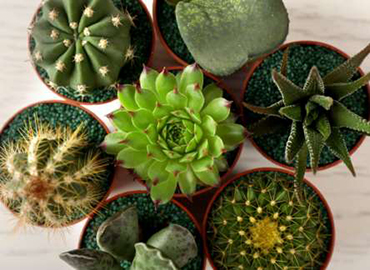
Stimulating active learning at home
Integrating reading corners, creative activities, and educational games encourages curiosity, cognitive development, and creativity, while making the environment enriching.
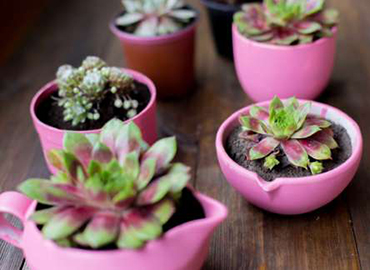
Maintaining an organized and functional space
Accessible storage, dedicated areas for different activities, and a clear layout of objects make daily life easier, reduce stress, and teach children order and responsibility.

Encouraging a connection with nature
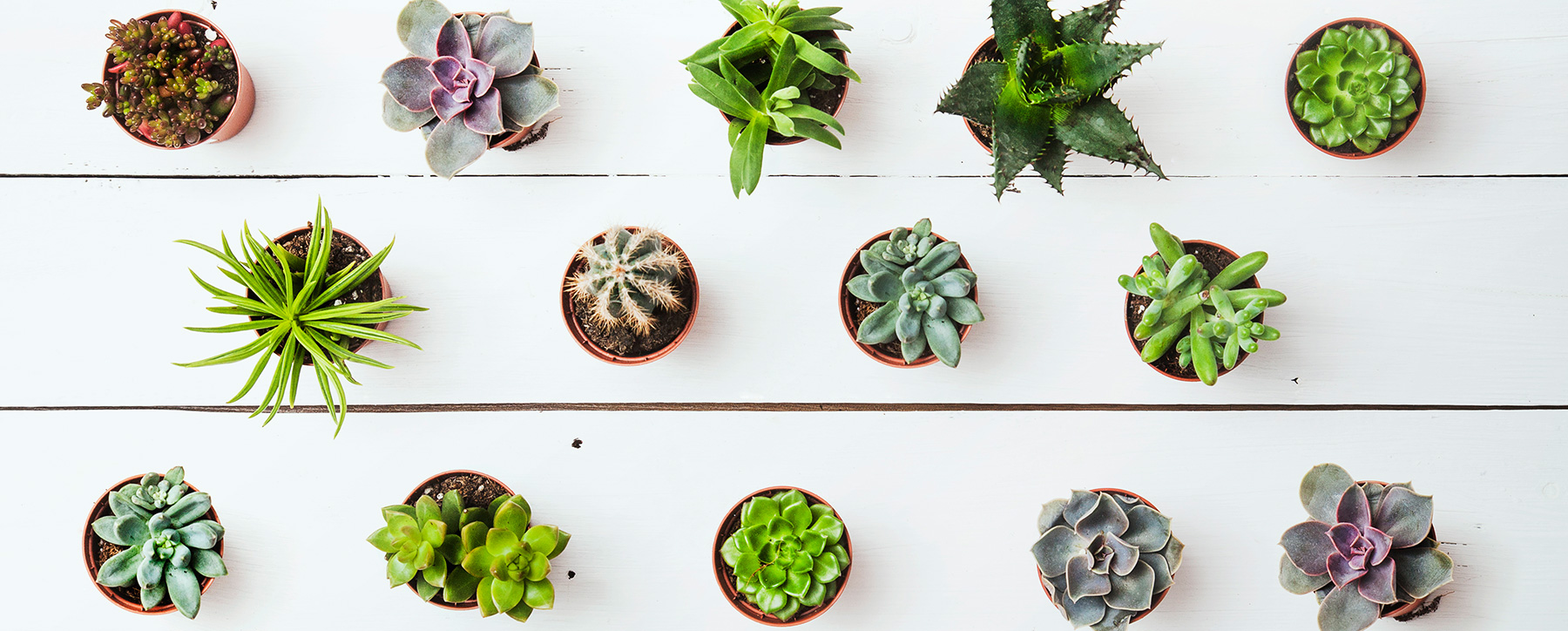
If possible, including natural elements such as plants, a garden, or regular outings outdoors promotes physical and emotional well-being and fosters a connection with the environment.
Fostering children’s emotional and psychological development
Children’s emotional and psychological well-being is built through attentive listening, consistent support, and valuing their daily experiences. Providing an environment where they can freely express their feelings, ask questions, and explore their reactions to situations strengthens their self-confidence and resilience. Positive interactions with adults and peers help develop empathy, cooperation, and an understanding of others’ emotions. Furthermore, introducing playful, creative, and relaxing activities promotes stress management and fosters mental balance. By combining observation, guidance, and encouragement, we create an environment conducive to the emotional maturation and harmonious psychological development of each child.