
Raising a healthy child begins long before their first breath. From the nutrients consumed during pregnancy to the sleep routines established in toddlerhood, every decision shapes a child’s physical, emotional, and cognitive development. Yet navigating the vast landscape of children’s health can feel overwhelming—conflicting advice, evolving guidelines, and the sheer volume of information make it difficult to know where to focus.
This resource brings clarity to that complexity. Whether you’re preparing for pregnancy, soothing a feverish infant, or helping a preschooler develop emotional regulation skills, understanding the evidence-based foundations of child health empowers you to make confident choices. We’ll explore how prenatal nutrition influences lifelong health, why sleep windows matter more than total hours, and how your own well-being directly impacts your child’s development.
Think of this guide as your roadmap through the critical early years—a framework connecting pregnancy health, developmental milestones, nutrition, preventive care, home safety, and the often-overlooked cornerstone of parental resilience.
The nine months of pregnancy represent the most rapid period of human development. During this time, a single cell transforms into a complex organism with functioning organs, developing neural pathways, and the nutritional reserves needed for birth and beyond. What happens during pregnancy doesn’t just determine birth outcomes—it can influence health patterns that persist into adulthood.
While general healthy eating matters, certain nutrients play outsized roles in fetal development. Folic acid prevents neural tube defects during the critical first weeks when many don’t yet know they’re pregnant, which is why supplementation is recommended before conception. Vitamin D supports bone development and immune function, yet deficiency remains surprisingly common even in sunny climates.
Iron needs nearly double during pregnancy to support increased blood volume and placental development. However, the constipation often caused by iron supplements leads many to abandon them—a problem solvable through dietary sources like dark leafy greens, lean red meat, and lentils paired with vitamin C for better absorption. Understanding which soft cheeses carry listeria risk (the unpasteurized varieties) versus which are perfectly safe helps pregnant individuals enjoy food without unnecessary restriction.
Pregnancy isn’t a time for couch rest unless medically indicated. Gentle, consistent movement reduces back pain, improves sleep, prepares the body for labor, and supports mental health during a period of enormous change. A daily 30-minute walk often proves more beneficial than occasional intense gym sessions, maintaining cardiovascular fitness without overstressing joints affected by the hormone relaxin.
Specific exercises target pregnancy-related challenges: the cat-cow stretch relieves the lower back strain caused by a shifting center of gravity, while squatting practice opens the pelvis and builds endurance for labor positions. Pelvic floor exercises begun during pregnancy help prevent the incontinence that affects many postpartum individuals—a preventable issue that’s often dismissed as “normal.”
Prenatal screening helps identify potential concerns early. The combined test assesses chromosomal differences, though understanding what “high chance” actually means requires grasping probability versus certainty. The glucose tolerance test screens for gestational diabetes—a condition affecting how the body processes sugar during pregnancy, manageable through diet and monitoring but requiring early detection.
Children develop at remarkably different paces, yet certain patterns and milestones help identify when development is progressing typically versus when early intervention might help. Effective monitoring balances vigilance with perspective—tracking trends rather than obsessing over single data points.
The Personal Child Health Record (Red Book in the UK, or similar growth charts elsewhere) maps a child’s physical development against population percentiles. The key insight: percentile lines show patterns, not rankings. A child consistently following their 25th percentile line is developing normally; a child jumping between the 75th and 25th percentiles warrants investigation. These charts help distinguish constitutional differences (some children are simply smaller or larger) from growth faltering that might indicate underlying health issues.
Many developmental concerns become easier to address when caught early. Persistent squinting in toddlers may signal vision problems—the brain can suppress input from a weaker eye, leading to permanent vision loss if uncorrected during the critical early years when visual pathways are still forming. Similarly, knowing when a fever requires medical attention versus simple monitoring prevents both unnecessary panic and dangerous delays.
The recommendation to visit a dentist when the first tooth appears surprises many parents. Early visits aren’t about treating cavities—they establish familiarity with dental care, allow professionals to assess oral development, and provide guidance on bottle use, pacifier habits, and cleaning techniques that prevent future problems.
Nutrition during the first years establishes taste preferences, gut health, and metabolic patterns that influence lifelong eating habits. Yet this period also generates intense anxiety, with parents worrying whether their child is eating “enough” or the “right” foods.
The debate between baby-led weaning and traditional purees often presents these as opposing camps, when in reality both approaches successfully introduce solids. Baby-led weaning may offer advantages for oral motor development—chewing varied textures strengthens the muscles used for speech—while also encouraging self-regulation of appetite. However, purees work perfectly well when prepared with varied flavors and progressed to more complex textures as the child develops.
Not all sugars are equal, but all are processed similarly by the body. “Hidden sugars” in foods marketed as healthy—yogurt pouches, cereal bars, flavored milk—often exceed the amounts in obviously sweet treats. Learning to read labels helps identify products genuinely suitable for daily consumption versus occasional treats.
The shift away from recommending fruit juice as a daily drink reflects growing understanding that liquid sugars bypass satiety mechanisms that whole fruit triggers. Water and milk provide hydration without the blood sugar spikes and dental concerns associated with regular juice consumption.
Current guidance reverses older recommendations to delay allergenic foods. Early introduction of the major allergens—particularly peanuts and eggs—between 4-6 months may actually reduce allergy risk by training the developing immune system to recognize these proteins as safe. The key is introducing them in age-appropriate forms: smooth peanut butter thinned with milk rather than whole nuts, well-cooked eggs rather than runny yolks.
Sleep isn’t simply rest—it’s when children process learning, consolidate memories, produce growth hormone, and regulate emotions. Yet sleep challenges rank among the most common and exhausting aspects of early parenting.
Understanding sleep pressure and circadian rhythms helps explain why timing matters as much as duration. The “45-minute window” refers to the brief period when a child shows tired signs but hasn’t yet become overtired. Missing this window triggers stress hormones that make falling asleep significantly harder—explaining why exhausted children sometimes seem wired rather than drowsy.
Blue light from screens suppresses melatonin production, effectively telling the brain it’s still daytime. The recommendation to eliminate screens for at least one hour before bed isn’t arbitrary—it allows melatonin levels to rise naturally, facilitating the transition to sleep. Consistent bedtime routines work by creating predictable cues that signal the body to begin this wind-down process.
Sleep needs vary by age, but the pattern matters more than hitting exact hour targets. A child who sleeps well at night but skips naps may simply need less total sleep than average—provided they’re happy, growing appropriately, and meeting developmental milestones, they’re likely getting sufficient rest for their individual needs.
Vaccines represent one of the most significant public health achievements in history, preventing diseases that once killed or disabled millions of children. Understanding how they work, what to expect, and why the schedule is designed as it is helps parents approach vaccination confidently.
The vaccination schedule isn’t arbitrary—it’s carefully designed to provide protection when children are most vulnerable to specific diseases. The 8-week jabs come early because infants lack the mature immune systems needed to fight infections that pose little threat to older children. Vaccines given in multiple doses work by training the immune system through repeated exposure, building increasingly robust and long-lasting protection.
Minor reactions to vaccines indicate the immune system is responding appropriately. Redness at the injection site, low-grade fever, and fussiness typically resolve within 24-48 hours. The MenB vaccine specifically tends to cause fever, which is why paracetamol is recommended preventively—this doesn’t reduce vaccine effectiveness but does improve comfort.
Knowing how to soothe a baby after injections—skin-to-skin contact, breastfeeding or bottle feeding, gentle movement—helps parents feel prepared rather than helpless when their infant is temporarily uncomfortable.
Herd immunity explains why vaccination is both an individual and community decision. When enough people are vaccinated, disease transmission drops so low that even those who cannot be vaccinated (newborns, immunocompromised individuals) gain protection. Understanding vaccine ingredients—why preservatives are used in some formulations, what adjuvants do, how much aluminum is actually present compared to environmental exposure—addresses concerns rooted in misinformation.
Missed vaccinations rarely mean starting over. Catch-up schedules can establish protection even when children are significantly behind, though earlier vaccination obviously provides earlier protection.
A healthy home encompasses physical safety, ergonomic support for growing bodies, non-toxic materials, and crucially—the well-being of caregivers. Children thrive when their environment supports both their needs and those of the adults caring for them.
Some hazards are obvious; others are surprisingly overlooked. Furniture tip-overs cause preventable deaths when unsecured bookshelves or televisions topple onto climbing children. Wall anchors are inexpensive and simple to install, yet many homes lack them. Similarly, blind cords pose strangulation risks, and cleaning products cause thousands of poisonings annually—both preventable through simple storage changes and cord shorteners.
As children spend more time seated for meals, crafts, and eventually homework, proper ergonomics prevent the neck pain, eye strain, and postural problems increasingly seen in young children. The 90-90-90 rule describes ideal sitting position: 90-degree angles at hips, knees, and ankles, with feet flat on the floor or footrest. Chairs sized for adults force children into postures that strain developing bodies.
Appropriate task lighting reduces eye strain during close work. The rise in childhood myopia correlates with increased near work and decreased outdoor time—while lighting alone doesn’t cause vision problems, inadequate lighting forces children to hunch closer to their work, compounding postural issues.
Parental burnout isn’t a character flaw—it’s a predictable response to chronic stress, insufficient support, and the impossibility of meeting caregiving demands while ignoring one’s own needs. Recognizing the difference between ordinary tiredness and true burnout (characterized by emotional detachment, reduced parenting efficacy, and feeling overwhelmed even by small tasks) is the first step toward recovery.
Micro-self-care strategies—five-minute resets rather than elaborate spa days—prove more sustainable for busy parents. A brief walk, a cup of tea consumed while still hot, five minutes of deliberate breathing: these small acts prevent the complete depletion that requires much longer to recover from. Weekend routine consistency, while allowing some flexibility, prevents the Sunday night battles and Monday morning chaos that deplete everyone’s reserves.
Teaching children age-appropriate independence—self-serve snack drawers at their height, step stools for handwashing, involvement in meal preparation—simultaneously builds their capabilities and creates small pockets of time when parents aren’t meeting every need directly.
True health encompasses more than physical wellness—it includes the emotional regulation, resilience, and practical life skills children need to navigate their expanding world. These capacities develop through practice, not lectures.
Toilet independence means more than simply being “potty trained”—it includes wiping thoroughly, flushing, and washing hands without reminders. These skills require explicit teaching, adequate time, and appropriately sized equipment. Similarly, learning to identify emotions and having tools to manage them prevents the meltdowns that leave everyone exhausted.
Portable regulation techniques like five-finger breathing (tracing one hand while breathing in as you move up each finger, out as you move down) give children concrete tools they can use anywhere. Physical outlets for big emotions—stomping, jumping, pushing against walls—help children discharge the physiological arousal that accompanies anger or frustration in ways that don’t harm anyone.
Food exploration activities, like blindfolded taste tests that focus on texture and flavor rather than appearance, reduce pickiness by making trying new foods playful rather than pressured. Involving children in cooking transforms meals from something imposed upon them to something they’ve created.
The goal isn’t perfect children who never struggle—it’s building the specific skills that allow children to navigate challenges with increasing independence, knowing when to persist and when to ask for help, and developing the resilience that comes from successfully managing difficulties appropriate to their development.

Contrary to popular belief, parental burnout is not just extreme fatigue; it’s a systemic collapse of your emotional regulation that can’t be fixed with a vacation or a bubble bath. Recovery starts by shifting focus from escaping the stress to…
Read more
In summary: Vaccinations are the most effective way to protect your child from serious diseases. The UK schedule is designed for maximum safety and efficacy. Fever after the MenB vaccine is common; a specific three-dose paracetamol plan is recommended to…
Read more
In summary: Winning the bedtime battle means shifting from control to connection, working with your child’s natural sleep rhythms, not against them. Understanding the science of sleep—like cortisol spikes from overtiredness and melatonin suppression from light—is your most powerful tool….
Read more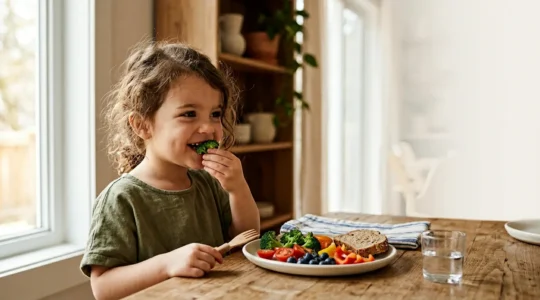
In summary: Shift the focus from parental control to fostering your child’s food autonomy through methods like family-style serving. Understand that nutrition is an ecosystem; factors like sleep have a direct hormonal impact on your child’s appetite and food cravings….
Read more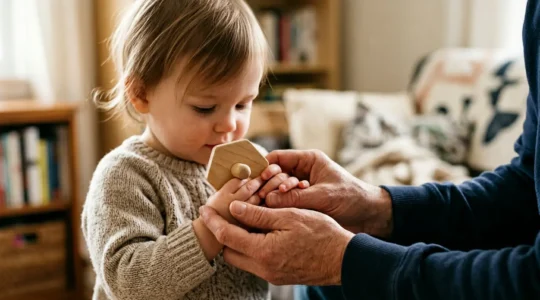
The key to promoting your child’s health isn’t tracking milestones, but learning the art of confident observation. Your child’s individual growth pattern (their “growth channel”) is a far better indicator of health than a single number on a chart. A…
Read more
The sharp, limiting pain of Pelvic Girdle Pain (PGP) in pregnancy isn’t something you just have to endure; it’s a signal to learn how to work *with* your body. Targeted yoga movements provide immediate relief by creating space in the…
Read more
The key to pregnancy nutrition isn’t eating more, but eating smarter by understanding the science behind your body’s needs. Nutrient quality, not just calorie quantity, is what truly fuels healthy development for both mother and baby. Specific cravings or aversions…
Read more