
Every parent has experienced that moment: your child melts down in the grocery store, refuses to share a toy, or wakes up screaming from a nightmare. In these moments, understanding child behavior and psychology transforms from abstract theory into urgent, practical need. The way children think, feel, and act isn’t random—it follows patterns rooted in brain development, emotional capacity, and social learning.
Child psychology encompasses everything from how babies bond with caregivers before birth to how school-age children learn to manage disappointment. It explains why your toddler can’t “just calm down” when upset, why your preschooler follows rules they helped create more readily than those imposed on them, and why one child needs cheerleading while another thrives on gentle guidance. This knowledge doesn’t just help you respond to challenging behaviors—it helps you understand the developing person behind them.
This comprehensive resource explores the foundational concepts every parent should understand: how children regulate emotions, what communication approaches actually build connection, how to encourage cooperation without manipulation, what resilience really means, and how to create environments where children feel safe enough to grow. Whether you’re navigating your first child’s terrible twos or trying to understand your sensitive school-aged child, these evidence-based insights will help you parent with greater confidence and compassion.
Child psychology isn’t just for therapists and researchers—it’s everyday knowledge that changes how you interpret your child’s world. When you understand that behavior is communication, a tantrum stops being defiance and becomes a message: “I’m overwhelmed and don’t have the words or skills to handle this.” This shift in perspective changes everything about your response.
Children’s brains develop from the bottom up, with emotional centers maturing years before the logical, self-control regions. A three-year-old literally cannot “think about what you’ve done” during a meltdown because the thinking parts of their brain are offline. They need you to lend your calm—your regulated nervous system helps regulate theirs. This isn’t permissiveness; it’s neuroscience.
Understanding developmental stages also sets realistic expectations. Knowing that turn-taking is genuinely difficult for toddlers because they haven’t developed a sense of time helps you prepare for playground conflicts rather than feeling embarrassed by them. Recognizing that regression often signals stress—not manipulation—helps you respond with curiosity instead of frustration when your potty-trained child suddenly has accidents.
Emotional regulation—the ability to experience feelings without being overwhelmed by them—is perhaps the most critical skill children develop. Yet it’s not instinctive. Babies are born with big feelings and zero ability to manage them. They need thousands of repetitions of experiencing distress and being soothed before they can begin to soothe themselves.
The foundation of emotional regulation is helping children identify and accept their feelings. When you say, “You’re really angry that your tower fell down,” you’re teaching emotional vocabulary and the crucial lesson that all feelings are okay—even anger, disappointment, and frustration. The mantra “all feelings are okay, but not all actions are okay” helps children understand they can feel furious without hitting.
This validation process works differently from fixing or dismissing. When your child is upset, your instinct might be to say “You’re fine!” or immediately solve the problem. But sitting with discomfort—allowing them to feel disappointed while you stay present—teaches them that uncomfortable feelings are survivable and temporary.
Once children understand their emotions, they need concrete tools to manage them. Techniques like “dragon breaths” (slow breathing exercises framed as breathing fire) make physiological calming accessible to young children. The “worry monster” exercise—drawing fears to externalize and examine them—helps anxious children process abstract worries.
For nighttime fears, distinguishing between nightmares and night terrors matters tremendously. Nightmares happen during REM sleep, and children wake up scared but responsive to comfort. Night terrors occur in deep sleep; children appear awake but aren’t, and attempts to comfort them often intensify the episode. Understanding this difference prevents well-meaning parents from inadvertently prolonging night terrors.
The gap between talking at your child and truly communicating with them is vast. Effective communication isn’t about perfectly crafted words—it’s about connection, timing, and genuine listening.
Active listening means giving your full attention, and simple physical adjustments make this easier. Getting down to eye level by kneeling transforms the power dynamic instantly. Your child no longer feels lectured to by a towering adult—you’re meeting them where they are, literally and figuratively.
The pause—waiting just three seconds before responding to your child—is deceptively powerful. Those seconds give you time to choose your response rather than react, and they give your child space to continue talking if they’re gathering thoughts. Reflective listening, where you repeat back what you heard (“So you’re saying you don’t want to go to school because someone was mean at recess?”), checks understanding and shows your child they’ve been truly heard.
Perhaps the hardest communication skill is resisting the urge to immediately solve problems. When children vent, they often need to be heard more than advised. A seven-year-old complaining about a friend might not want solutions—they might need to process their feelings aloud with a safe listener. Asking “Do you want help solving this, or do you need me to just listen?” respects their autonomy and teaches them to identify their own needs.
Your emotional state during these conversations matters more than your words. Children are extraordinarily attuned to adult emotions. If you’re anxious or angry while saying comforting words, they’ll trust your state over your statements. This is why connection before correction works: starting difficult conversations with physical closeness (a hug, sitting together) activates the social engagement system before addressing behavior.
Traditional discipline often relies on external motivators—rewards for compliance, punishment for misbehavior. But research increasingly shows that positive reinforcement works better when it focuses on intrinsic motivation rather than transactional exchanges.
Reward charts are everywhere, but they’re controversial. They can work for establishing new habits or getting through difficult transitions, but they risk teaching children to behave only when something’s in it for them. The key is implementation: using charts temporarily for specific challenges while generally emphasizing internal rewards (“You must feel proud that you remembered your coat”) maintains intrinsic motivation.
Positive language reframes commands in ways that tell children what to do rather than what to stop. “Walk please” is clearer than “Don’t run”—young children’s brains process the action word (run) more readily than the negation (don’t). This isn’t just semantics; it’s aligning your language with how developing brains process information.
Children follow rules they helped create with remarkable consistency. This is why rule co-creation works: when your five-year-old helps decide that bedtime is 7:30 and choosing pajamas is part of the routine, they’re invested in the system. Participative parenting—shifting from dictatorship toward age-appropriate democracy—doesn’t mean children run the household, but it does mean their input matters within boundaries you set.
Giving children ownership in other areas boosts motivation too. Letting your child choose their room’s decor or decide which vegetables to serve with dinner creates investment in their environment and routines. These small choices build agency—the sense that their actions and decisions matter.
Resilience isn’t about toughness or never struggling—it’s about recovering from difficulties and learning that challenges are survivable. Resilient children become resilient adults, equipped to handle life’s inevitable disappointments.
Building resilience starts with letting children experience manageable difficulties while you stay supportively present. This means stepping back during risky play when they’re climbing slightly higher than feels comfortable to you (but is safe), and not rushing to solve every friendship conflict. Each time children navigate a challenge successfully, their confidence in their own capability grows.
Modeling matters tremendously. Narrating your resilience—talking through how you handle your own frustrations—teaches children that everyone struggles and everyone recovers. When you say, “I’m frustrated this recipe isn’t working, so I’m going to take a breath and try again,” you’re demonstrating emotional regulation and persistence in real-time.
Interestingly, research shows that having one good friend is more protective than being popular. Children who feel deeply connected to even one peer develop better social skills and emotional health than those with many superficial friendships. This takes pressure off both children and parents to engineer constant social opportunities—depth matters more than breadth.
Physical and emotional environments profoundly shape child development. Thoughtful environmental design reduces conflicts and supports independence.
The “yes” space concept means creating areas where everything is safe to touch and explore. For toddlers, this might be a playroom where nothing is off-limits. This reduces the constant “no” cycle and allows natural curiosity to unfold safely. As children age, this evolves into spaces where they have autonomy—a homework area organized their way, or a backyard where reasonable risk-taking is encouraged.
Keeping activities appropriately timed prevents meltdowns. For young children, 90 minutes is the maximum for most activities before they need a break or transition. Pushing past this threshold leads to dysregulation—what looks like misbehavior is often just a nervous system that needs rest.
Perhaps most importantly, striving to be a “good enough” parent rather than perfect creates an environment where mistakes are learning opportunities rather than catastrophes. When children see you handle imperfection with grace, they learn to do the same. This starts early: even prenatal bonding through haptonomy (communicating with babies before birth through intentional touch) isn’t about perfect technique—it’s about connection and intention.
Understanding child behavior and psychology doesn’t mean you’ll never feel frustrated or confused by your child. But it does mean you’ll approach those moments with greater insight, knowing that development is unfolding exactly as it should—messily, imperfectly, and miraculous in its complexity. Each phase brings challenges, but also incredible opportunities to help your child become someone who understands themselves, communicates effectively, handles disappointments, and engages with the world confidently.

Active listening is less about the words you say and more about creating the emotional safety your child’s brain needs to calm down and connect. You must listen to co-regulate emotion before you can problem-solve; their logical brain is offline…
Read more
When a child is overwhelmed by big feelings, leading to aggression or shutdown, it’s easy for parents to feel lost. This guide reframes your role from a disciplinarian to an “emotion coach.” Instead of just listing coping tricks, we’ll explore…
Read more
In summary: Shift from “I can’t” to “I can’t yet” to cultivate a growth mindset. Allow children to experience and navigate minor discomforts to build coping skills. Model resilience by verbalizing how you handle your own frustrations and setbacks. Assign…
Read more
The secret to ending family power struggles isn’t winning more battles; it’s redesigning the battlefield into a collaborative round table. Most parenting advice offers tactics (like family meetings), but fails because it lacks an underlying system. True change comes from…
Read more
The key to changing a child’s behavior is not to control it with rewards, but to build their internal capacity for self-regulation and motivation. Praising effort over intelligence fosters a resilient growth mindset that embraces challenges. Validating all feelings (while…
Read more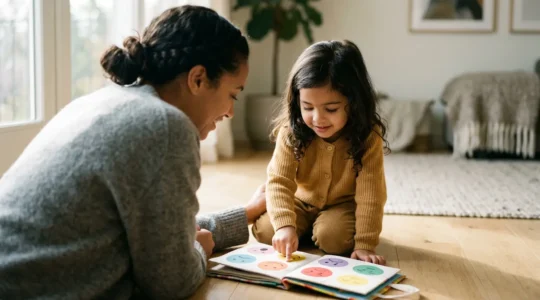
In summary: Shift from being a manager of behavior to a coach of emotions by validating your child’s feelings before correcting their actions. Expand their emotional vocabulary beyond basic terms using tools like a Feelings Wheel, giving them the words…
Read more