
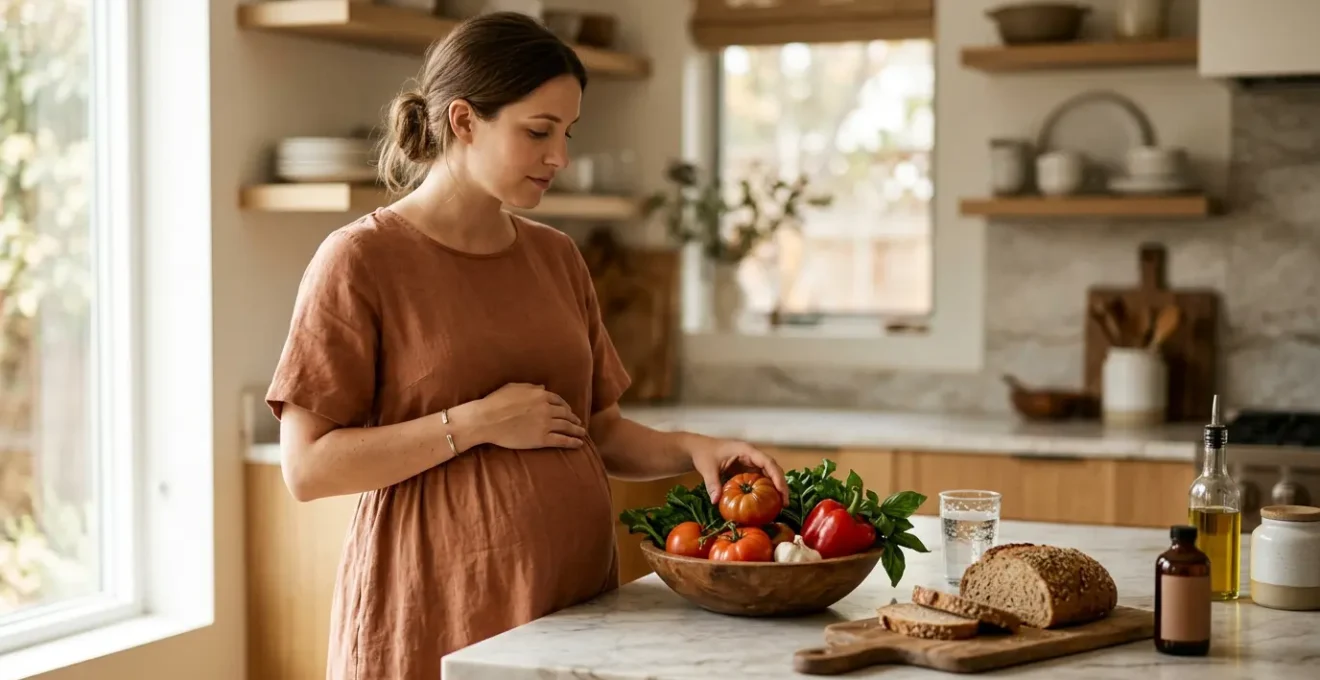
The key to pregnancy nutrition isn’t eating more, but eating smarter by understanding the science behind your body’s needs.
- Nutrient quality, not just calorie quantity, is what truly fuels healthy development for both mother and baby.
- Specific cravings or aversions can be important biological signals that, when understood, can guide your dietary choices.
Recommendation: Shift your focus from a restrictive list of ‘don’ts’ to a confident, strategic approach that prioritizes nutrient density and bioavailability to build a foundation for long-term health.
The phrase “eating for two” often conjures images of indulging every craving and simply increasing portion sizes. Yet, for many expectant mothers, this period is fraught with confusion. You’re bombarded with conflicting advice: avoid all soft cheese, load up on iron, cut out coffee entirely. This creates a landscape of anxiety rather than empowerment. The common advice to just “eat a balanced diet” feels vague when you’re navigating nausea, fatigue, and the immense responsibility of growing a new life.
The conventional wisdom often focuses on a list of forbidden foods, creating a sense of restriction and fear. While safety is paramount, this approach overlooks a more powerful truth. What if the key to optimal pregnancy nutrition wasn’t about avoiding things, but about strategically including them? What if understanding the *why* behind each recommendation could transform your diet from a source of stress into your greatest tool for supporting your baby’s development and your own well-being?
This guide moves beyond the platitudes. We will not just tell you what to do; we will explain the science behind it. We’ll explore why certain supplements are non-negotiable, how to maximize nutrient absorption from your food, and how your diet today is already shaping your child’s future health. It’s time to replace confusion with confidence and embrace a new philosophy: thinking for two.
This article provides a detailed roadmap to navigate the key nutritional challenges and opportunities during pregnancy. The following summary outlines the specific topics we will explore, giving you the scientific insights needed to make informed and intelligent choices.
Summary: A Strategic Guide to Pregnancy Nutrition
- The Cheese Debate: Which Soft Cheeses Are Safe to Eat in the UK?
- Iron-Rich Foods: How to Avoid Anemia Without Constipating Supplements?
- Pica: When Cravings for Non-Food Items Signal a Deficiency
- Caffeine Limits: Is One Coffee a Day Really Okay?
- Energy Balls: Healthy Snacks for labor and breastfeeding
- Folic Acid and Vitamin D: Why Does the NHS Recommend These Specific Supplements?
- The 14 Allergens: How to Introduce Peanuts and Eggs Safely?
- Child Nutrition: How to Raise a Healthy Eater in a Processed World?
The Cheese Debate: Which Soft Cheeses Are Safe to Eat in the UK?
The fear surrounding cheese in pregnancy is almost entirely focused on the risk of Listeria, a bacterium that can cause serious harm to an unborn baby. However, the blanket advice to “avoid all soft cheese” is outdated and overly simplistic, especially within the UK. The critical distinction is not whether a cheese is hard or soft, but whether it is made from pasteurized milk and how it is prepared. Listeria cannot survive the pasteurization process or thorough cooking.
Any cheese, including soft varieties like brie, camembert, and goat’s cheese, is considered safe to eat if it has been cooked until steaming hot all the way through. This is because heat effectively kills any potential Listeria bacteria. So, a baked camembert or the mozzarella on a pizza poses no risk. For uncooked cheeses, the label is your best guide. The NHS confirms that all hard cheeses like cheddar and parmesan are safe, even if made with unpasteurised milk, due to their low moisture content. For soft cheeses, simply check the packaging to ensure they are made from pasteurized milk.
Understanding these principles allows you to move from a position of fear to one of informed choice. You don’t have to give up your favourite cheeses for nine months; you just need a clear strategy for selecting and preparing them safely. This empowers you to enjoy your food without unnecessary anxiety.
Your Action Plan: Safe Cheese Selection Strategy During Pregnancy
- Prioritize Hard Cheeses: Opt for hard, aged cheeses like Montgomery’s Cheddar, Parmigiano Reggiano, and mature Gouda. Their low-moisture, high-acidity environment is hostile to Listeria.
- Verify Pasteurization: For any soft cheese, check the label for “pasteurized” or “thermo-treated.” Avoid any cheese explicitly labeled “raw milk” or “au lait cru” unless you plan to cook it.
- Apply the ‘Cooking Rule’: All soft, mould-ripened, or blue-veined cheeses become safe when cooked until steaming hot. This includes baked brie, cheese on pizza, or in a cooked sauce.
- Remove the Rind: As a precaution, even on hard cheeses, it’s wise to remove the rind, as this is the surface most likely to have environmental exposure to bacteria.
- Dine Out Confidently: When in a restaurant, don’t hesitate to ask if a dish contains unpasteurised soft cheese. You can request an alternative or ask for the cheese to be cooked thoroughly.
Iron-Rich Foods: How to Avoid Anemia Without Constipating Supplements?
During pregnancy, your blood volume can increase by nearly 50%, dramatically raising your body’s demand for iron to make hemoglobin for both you and your baby. Iron deficiency is incredibly common; in North America, research shows that greater than 50% of pregnant women experience iron deficiency, with nearly 12% developing full-blown iron-deficiency anemia. This can lead to profound fatigue, weakness, and other complications. While supplements are often prescribed, they are notorious for causing constipation, a problem many pregnant women already face. The more intelligent strategy is a food-first approach focused on bioavailability.
There are two types of dietary iron: heme iron (from animal sources) and non-heme iron (from plant sources). Heme iron is much more easily absorbed by the body. However, you can significantly boost the absorption of non-heme iron by pairing it with a source of Vitamin C. For example, a lentil soup (non-heme iron) finished with a squeeze of lemon juice (Vitamin C) becomes a much more powerful iron source. Conversely, compounds in tea, coffee, and dairy can inhibit iron absorption, so it’s wise to consume them separately from your iron-rich meals.
This paragraph introduces the concept of iron-rich foods. To better understand how to combine them for maximum benefit, it is useful to visualize the variety of available options. The illustration below showcases a vibrant array of whole foods that can form the foundation of an iron-rich diet.
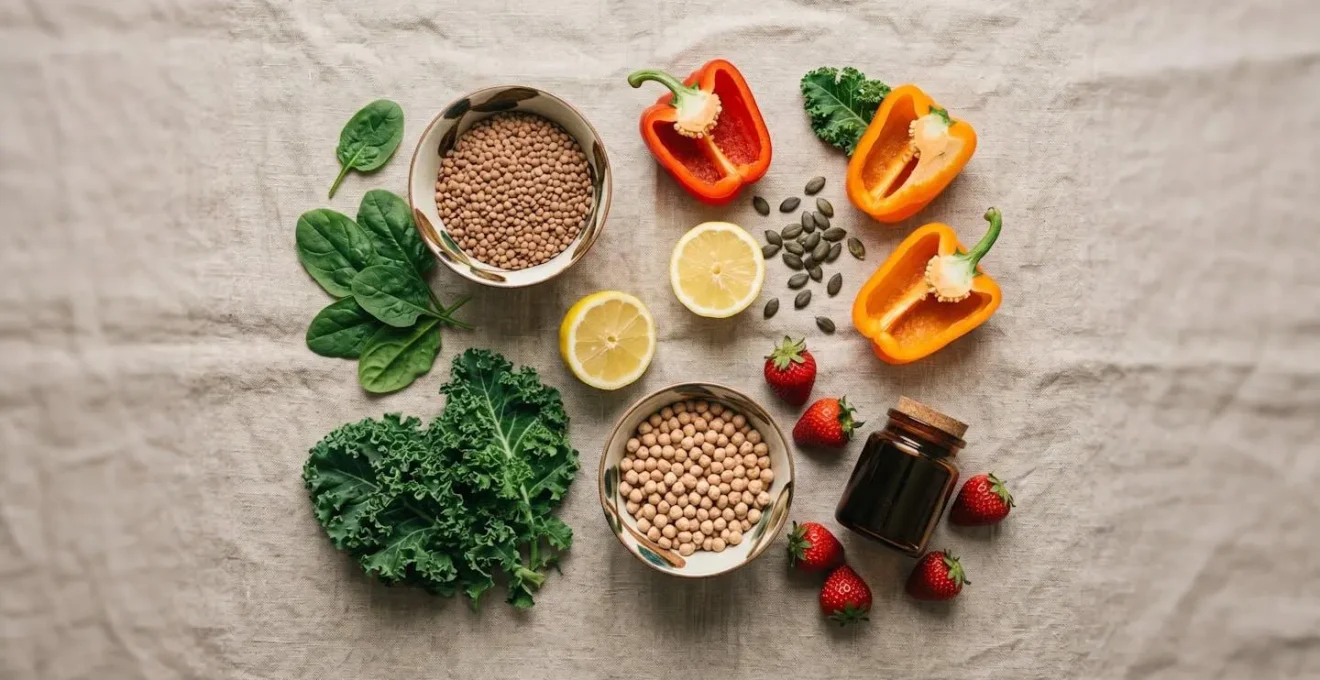
As this image demonstrates, a diet rich in iron can also be colourful and diverse. By focusing on smart food pairings, such as combining dark leafy greens with citrus fruits, you can build your iron stores naturally and effectively, often reducing the need for or dosage of constipating supplements.
The following matrix provides a practical guide to optimizing your iron intake by pairing the right foods together and avoiding combinations that hinder absorption.
| Iron Source | Type | Absorption Enhancer (pair with) | Absorption Inhibitor (avoid timing) | Practical Meal Example |
|---|---|---|---|---|
| Red meat, poultry | Heme iron (better absorbed) | Not required but enhanced by Vitamin C | Calcium-rich foods, coffee/tea | Small steak with roasted bell peppers |
| Lentils, beans, chickpeas | Non-heme iron | Vitamin C (citrus, tomatoes, peppers) | Calcium supplements, tea/coffee within 2 hours | Lentil soup with lemon squeeze, side of tomato salad |
| Spinach, kale | Non-heme iron | Vitamin C sources | Dairy products, tannins in tea | Spinach salad with strawberries and citrus vinaigrette |
| Blackstrap molasses (1 tbsp) | Non-heme iron | Vitamin C-rich smoothie ingredients | Calcium-fortified beverages | Mixed into oatmeal or smoothie with orange juice |
| Pumpkin seeds, spirulina | Non-heme iron | Pair with fruits high in Vitamin C | High-calcium foods | Pumpkin seeds in trail mix with dried mango |
Pica: When Cravings for Non-Food Items Signal a Deficiency
Pregnancy cravings are famous, but what happens when the urge is for something that isn’t food? This condition, known as pica, involves compulsively eating non-food items like ice, clay, dirt, laundry starch, or paper. While it can seem bizarre or even shameful, it is a recognized medical condition and often a powerful biological signal of a significant nutrient deficiency, most commonly severe iron deficiency. It is far more common than many realize; a Cornell study found that 46% of pregnant adolescents reported pica behavior, with the vast majority experiencing pagophagia, the specific craving for ice.
The urge is not a sign of a mental failing but a physiological one. The brain, sensing a critical lack of iron needed for oxygen transport, may trigger these unusual cravings for reasons not yet fully understood. The most important step is to recognize this as a signal and to contact your healthcare provider immediately for blood tests to check your hemoglobin and ferritin (iron storage) levels. You should never give in to cravings for harmful substances like dirt or clay due to risks of contamination and toxicity.
Instead, you can use safe textural swaps to manage the oral fixation while addressing the root cause with medical guidance. For example, crunchy raw carrots or frozen grapes can satisfy an ice-chewing urge without risking dental damage. Acknowledging pica as a clinical symptom, not a personal quirk, is the first step toward resolving it.
Clinical Case Pattern: The Rapid Resolution of Pica
Multiple clinical studies demonstrate a clear pattern: patients with iron deficiency anemia who experience pagophagia (compulsive ice chewing) often lose the urge within days or weeks of starting iron therapy. In a common scenario, pregnant women with low ferritin levels and intense ice cravings reported a significant reduction in these urges within 2-4 weeks of beginning oral iron supplementation. Complete resolution of the pica behavior typically coincided with the replenishment of their iron stores. This rapid response strongly supports the hypothesis that pica is directly linked to the physiological state of iron deficiency, not a purely psychological phenomenon.
Caffeine Limits: Is One Coffee a Day Really Okay?
For many, a morning coffee is a non-negotiable ritual. The thought of giving it up during pregnancy can be daunting. The good news is that you don’t have to eliminate it completely. The consensus among major health bodies is that moderate caffeine intake is not harmful. Specifically, the American College of Obstetricians and Gynecologists (ACOG) recommends that pregnant women limit caffeine consumption to less than 200 milligrams per day. This is roughly equivalent to one 12-ounce cup of standard brewed coffee.
The reason for this limit is that caffeine can cross the placenta, and a developing baby’s metabolism is not yet mature enough to process it effectively. High levels of caffeine have been linked to an increased risk of miscarriage and low birth weight. The key to staying within the safe limit is to conduct a “caffeine audit” of your entire diet. The 200mg limit isn’t just for coffee; it includes all sources. Many people are surprised to find significant amounts of caffeine in black and green tea, soft drinks, energy drinks, and even dark chocolate.
Being mindful of these “hidden” sources is essential for staying safely within the recommended guidelines. For instance, a cup of black tea and a small bar of dark chocolate could easily add up to 100mg of caffeine, using up half your daily allowance. Swapping to decaffeinated versions (which still contain a tiny amount of caffeine) or herbal teas can help you enjoy a warm drink without the worry.
This table helps to visualize where caffeine might be hiding in your daily diet, allowing for a more accurate personal audit to stay under the 200mg daily limit.
| Source | Serving Size | Caffeine Content (mg) | Notes |
|---|---|---|---|
| Brewed coffee (regular) | 8 oz cup | 80-100 mg | Varies by brewing method and bean type |
| Decaffeinated coffee | 8 oz cup | 2-5 mg | Not completely caffeine-free |
| Black tea | 8 oz cup | 40-70 mg | Steeping time affects content |
| Green tea | 8 oz cup | 25-50 mg | Often underestimated source |
| Cola soft drinks | 12 oz can | 30-40 mg | Check specific brands |
| Energy drinks | 8 oz (240ml) | 64-80 mg | Can vary widely; check labels carefully |
| Dark chocolate (70-85% cacao) | 1 oz (28g) | 20-25 mg | Higher cacao = more caffeine |
| Milk chocolate | 1.5 oz bar | 6-10 mg | Lower but still present |
| Some headache medications | Per dose | 65-130 mg | Check OTC medication labels |
Energy Balls: Healthy Snacks for labor and breastfeeding
Pregnancy and the postpartum period are times of immense energy demand. Finding healthy, quick, and easy-to-eat snacks is crucial. Energy balls are a perfect solution: they are nutrient-dense, require no cooking, and can be customized to meet your specific needs through each trimester, labor, and into breastfeeding. They provide a balanced mix of complex carbohydrates, protein, and healthy fats to deliver sustained energy, unlike sugary snacks that lead to a crash.
The basic formula is simple: a base of rolled oats or dates, a binder like nut butter, and various boosters for targeted nutrition. For the first trimester, adding a little fresh ginger can help combat nausea. In the third trimester, Medjool dates are often recommended as they may help prepare the uterus for labor. For breastfeeding mothers, adding galactagogues like brewer’s yeast or ground fenugreek can help support milk supply. These small, powerful snacks can be made in a large batch and stored in the fridge or freezer, making them an ideal “grab-and-go” option for hospital bags or late-night feeding sessions.
The beauty of these snacks lies in their simplicity and dense nutritional profile. The image below captures the rich, wholesome texture of homemade energy balls, highlighting the natural ingredients that provide their power.
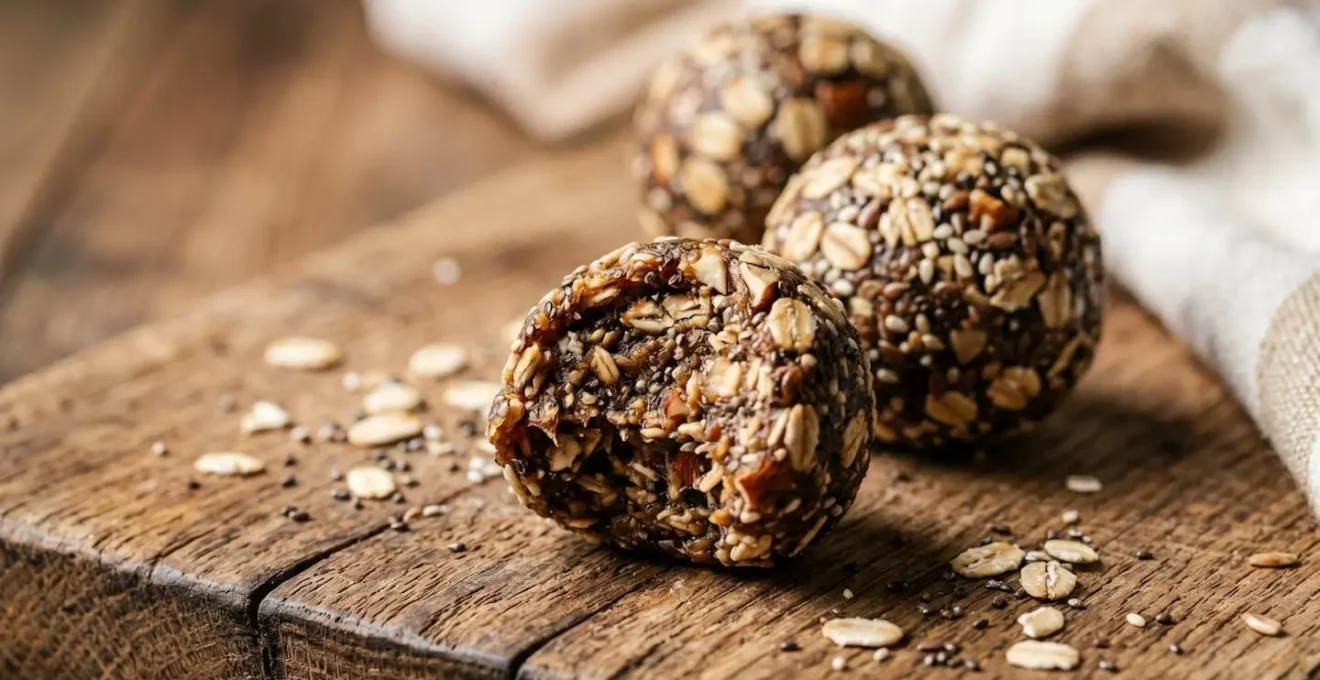
As you can see, these are not just treats but compact sources of fuel. The combination of oats for fiber, seeds for omega-3s, and dates for natural sweetness creates a perfectly balanced snack. Here is a simple, customizable formula to create your own:
- BASE (choose 1): Start with 1 cup of rolled oats or 1 cup of pitted dates. Using a mix of both creates a great texture.
- PROTEIN (add 1/2 cup): Incorporate natural peanut butter, almond butter, or sunflower seed butter for sustained energy release.
- HEALTHY FAT (add 2 tbsp): Mix in ground chia seeds, ground flaxseeds, or unsweetened shredded coconut for fiber and essential fatty acids.
- TRIMESTER BOOSTS: Add 1 tsp of grated ginger for first-trimester nausea, 3-4 chopped Medjool dates for third-trimester labor prep, or 2 tbsp of brewer’s yeast for breastfeeding support.
- BINDING & FLAVOR: If needed, add 1-2 tbsp of honey or maple syrup to help bind the mixture, along with a dash of vanilla extract and a pinch of salt to enhance the flavor.
- METHOD: Combine all ingredients in a food processor, roll into balls, and refrigerate to firm up. They can be stored for up to a week in the fridge or frozen for months.
Folic Acid and Vitamin D: Why Does the NHS Recommend These Specific Supplements?
While a balanced diet is the cornerstone of pregnancy nutrition, some nutrient needs are so critical and difficult to meet through food alone that supplementation becomes essential. The NHS specifically and strongly recommends two supplements for all pregnant women: folic acid and vitamin D. This isn’t arbitrary advice; it’s based on overwhelming evidence of their crucial roles in preventing serious developmental issues.
Folic acid (the synthetic form of folate) is vital in the very early stages of pregnancy—often before a woman even knows she’s pregnant. It plays a central role in the development of the neural tube, which becomes the baby’s brain and spinal cord. A deficiency can lead to severe birth defects like spina bifida. Because the neural tube closes within the first 28 days of conception, it’s recommended that all women of childbearing age who could become pregnant take a supplement. According to ACOG, pregnant women need 600 micrograms of folic acid per day, a target that is best guaranteed through supplementation.
Vitamin D is essential for regulating calcium and phosphate in the body, which are necessary for building your baby’s bones and teeth. A deficiency can lead to soft bones (rickets) in children. In the UK, sunlight is our primary source of vitamin D, but due to the latitude and long winters, it’s very difficult to get enough year-round. Dietary sources are limited, making supplementation the most reliable strategy. As MedlinePlus, a service of the U.S. National Library of Medicine, states:
All women, pregnant or not, should be getting 600 IU (international units) of vitamin D per day.
– MedlinePlus, Pregnancy and Nutrition Health Information
These two supplements are not just “nice to have”; they are a fundamental safety net for your baby’s healthy development, addressing critical needs that diet alone often cannot reliably meet, especially in a UK context.
The 14 Allergens: How to Introduce Peanuts and Eggs Safely?
For decades, the prevailing advice was to avoid common allergenic foods like peanuts and eggs during pregnancy and a baby’s first year, fearing it would trigger allergies. However, groundbreaking research has completely overturned this guidance. The new paradigm, supported by landmark studies like the LEAP (Learning Early About Peanut Allergy) study, is that early and regular exposure to allergens, both in utero and in infancy, is a key strategy for *preventing* food allergies.
The science behind this is a concept known as immune tolerance. When you eat a varied diet during pregnancy, small proteins from foods like eggs, nuts, and fish are passed to your baby through the amniotic fluid and later through breast milk. This early exposure helps the baby’s developing immune system to recognize these proteins as safe, “priming” it to tolerate them rather than react to them as a foreign threat. Therefore, unless you have a personal allergy, there is no need to avoid the 14 major allergens during pregnancy; in fact, including them in a balanced diet is now considered beneficial.
This principle of early introduction continues when your baby starts solid foods around six months. Current guidelines recommend introducing well-cooked eggs and smooth peanut butter around this time, rather than delaying. This strategy helps build on the tolerance that may have begun during pregnancy. It’s about shifting the mindset from avoidance and fear to strategic and safe introduction, which has been shown to dramatically reduce the incidence of food allergies in children.
Key Takeaways
- “Eating for two” is about nutrient quality, not just calorie quantity; focus on nutrient-dense foods.
- Strategic food pairing is essential; combine non-heme iron with Vitamin C and be mindful of absorption inhibitors like caffeine.
- Your diet during pregnancy influences your baby’s future taste preferences and immune health through “fetal programming” and in-utero exposure.
Child Nutrition: How to Raise a Healthy Eater in a Processed World?
The foundation for your child’s lifelong relationship with food begins long before their first bite of solids. It starts in the womb. The concept of “fetal flavor programming” reveals that strong flavors from your diet—garlic, spices, carrots, mint—are transmitted through the amniotic fluid. By eating a diverse and flavorful diet during pregnancy, you are already introducing your baby to a wide range of tastes, which can lead to greater acceptance of those foods later in childhood. You are, in essence, training their palate from day one.
This early programming provides a powerful head start in a world saturated with hyper-palatable, processed foods. Raising a healthy eater is less about restriction and more about consistent, positive exposure. The goal is to build a preference for whole, natural foods by making them the norm. This involves modeling healthy eating habits yourself, involving children in food preparation to foster curiosity, and maintaining a division of responsibility: the parent provides healthy options, and the child decides how much to eat. This approach respects a child’s autonomy and helps them develop a healthy sense of internal hunger and satiety cues.
The journey to raising a healthy eater is a long-term strategy built on a foundation of whole foods. The image below symbolizes the vibrant, natural starting point that you can provide for your family.
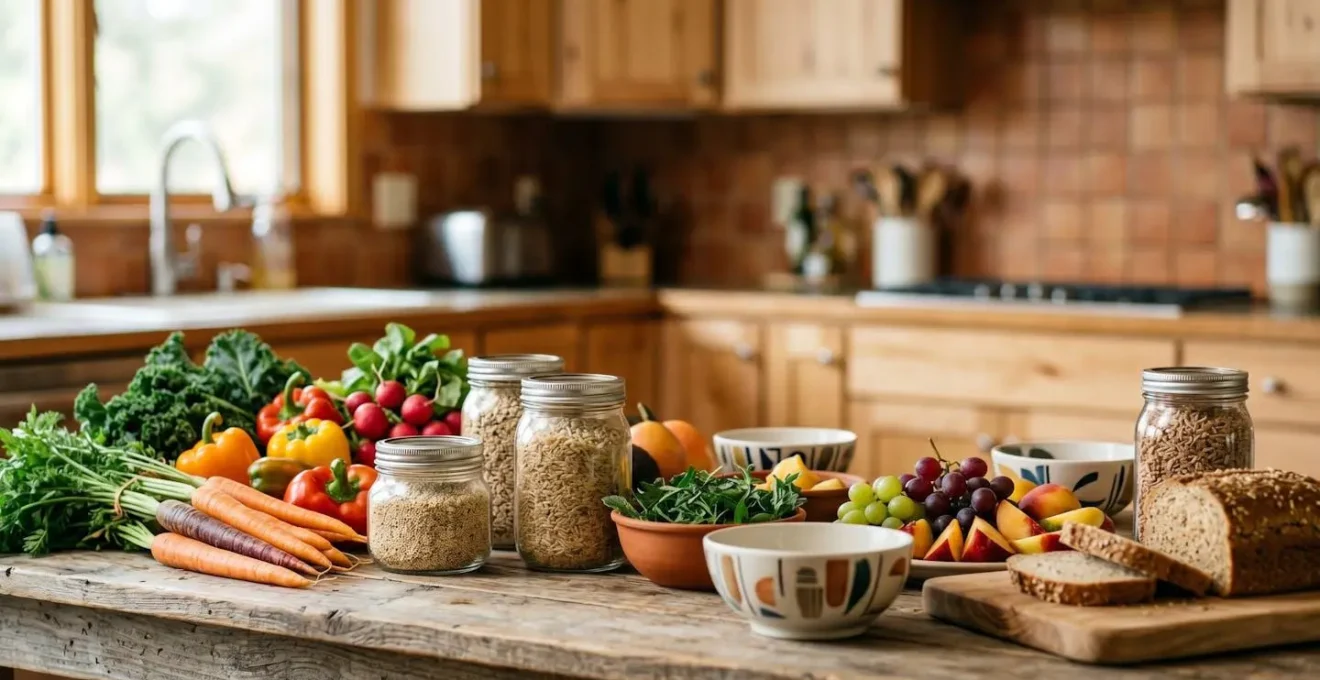
Ultimately, creating a positive food environment free from pressure and filled with variety is the most effective way to counteract the pull of the processed food world. It’s not about banning treats, but about ensuring that nutritious, flavorful, whole foods form the delicious and satisfying core of your family’s diet.
By applying these principles of nutrient intelligence, you are not just nourishing a pregnancy; you are laying the biological and behavioral groundwork for your child’s future health and well-being. This thoughtful approach is the true meaning of eating for two.
Frequently Asked Questions About Pregnancy Nutrition and Allergens
When should I start eating allergenic foods during pregnancy?
Current evidence supports eating a varied, balanced diet throughout pregnancy that includes common allergens (unless you personally have a severe allergy to them). There’s no need to avoid peanuts, eggs, fish, or other allergens during pregnancy; in fact, consumption may be beneficial for building infant tolerance.
How does in-utero allergen exposure work?
When you eat allergenic foods during pregnancy, small food proteins pass into the amniotic fluid that surrounds your baby. The fetus swallows this fluid regularly, and exposure to these food proteins through this pathway may help the developing immune system learn to recognize them as safe, reducing future allergy risk.
What’s the difference between a food allergy and a food intolerance in infants?
A true IgE-mediated food allergy involves the immune system and can cause rapid, serious symptoms like hives, swelling, difficulty breathing, or anaphylaxis within minutes to 2 hours of exposure. A food intolerance (like lactose intolerance) involves the digestive system and causes milder symptoms like gassiness, bloating, or loose stools, usually appearing hours later. Food allergies require immediate medical attention and epinephrine; intolerances are uncomfortable but not life-threatening.
When should I introduce allergenic foods directly to my baby?
Current guidelines recommend introducing allergenic foods (including peanut butter, eggs, fish, and dairy) around 6 months of age when starting solid foods, rather than delaying introduction. Early introduction (between 4-6 months for high-risk infants, around 6 months for others) is now shown to reduce allergy risk. Always introduce one new food at a time and watch for reactions.